The Fascinating History of the Queensland Bottle Tree
Jun 28, 2026
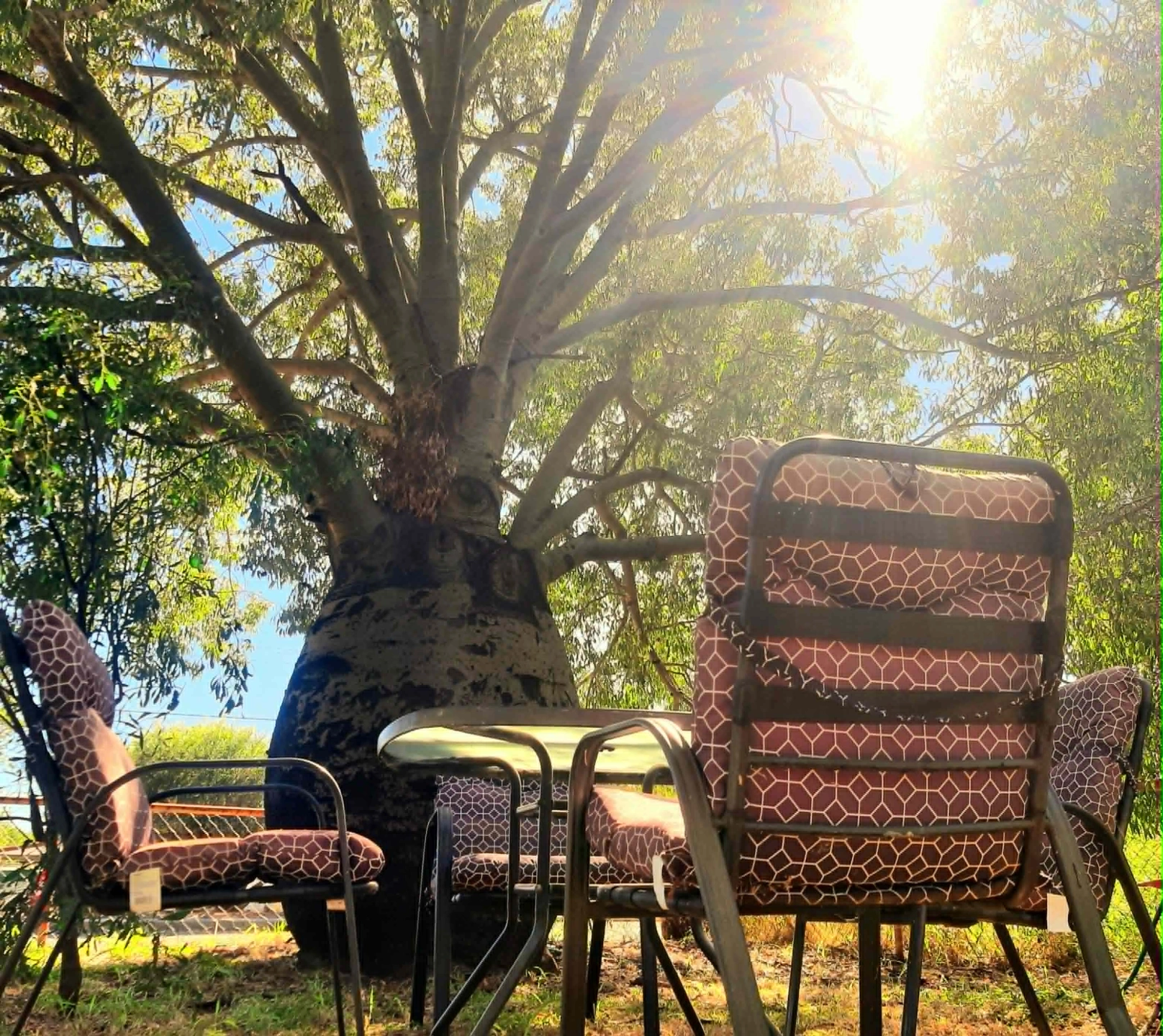
The Queensland Bottle Tree (Brachychiton rupestris) is one of Australia’s most magnificent botanical wonders. Characterised by its massive, swollen trunk, this structural marvel is a living testament to the resilience of the Australian outback.
While these iconic trees are scattered across the brigalow belts of the sunshine state, true enthusiasts know that a select few outback destinations boast the most breathtaking specimens. If you want to see these trees at their absolute finest, a journey through Queensland’s premier bottle tree towns is an absolute must.
The Three Best Towns for Bottle Trees in Queensland
The majestic, bulbous shapes of these ancient trees create structural, awe-inspiring landscapes. To see the best collections in the state, you must visit these three iconic destinations:
Roma: Famous for its sweeping avenues. Roma features hundreds of trees lining its historic streets, including a famous dedicated Heroes Avenue, as well as Roma's Largest Bottle Tree.
Clermont: Located further north. Clermont features a striking display of historic bottle trees that frame the main highway right through the heart of town.
Tambo: The absolute jewel of Western Queensland. As the oldest town in the west, Tambo features a thriving, deeply historic population of native bottle trees. The historic precinct, parks and streetscapes are filled with these majestic trees —some of which are estimated to be well over 150 years old.
The Deep History of an Outback Lifeline
For centuries, these native giants have served as a critical resource in the arid interior. Long before European exploration, First Nations people utilised the tree's unique anatomy for survival. The trunk acts as a massive natural reservoir, holding drinkable water between the inner bark and the main trunk. Indigenous Australians crafted deep, clever cuts into the soft bark to tap into these clean water sources during severe droughts.
Beyond water, the tree was a vital source of raw materials. Indigenous craftspeople would carefully cut and pry away distinctive oval-shaped panels of bark from the trunk. This precise, sustainable harvesting method allowed them to collect the tough, stringy inner layers without killing the tree.
The harvested bark fibres were then rolled and twisted into an incredibly strong, durable twine. This handcrafted rope was used to weave large fishing and hunting nets, which were essential for gathering food in the outback waterways. The trees slowly healed around these harvested sections, leaving behind beautiful, historic oval "scars" on the trunks—living monuments to ancient engineering.
When early pastoralists settled the region, they quickly recognized the value of the species. During intense dry spells, the high-moisture foliage and inner pulp were safely used as emergency fodder to keep livestock alive. In towns like Tambo, local communities historically planted rows of these slow-growing monuments along Mitchell Street, creating iconic, shaded streetscapes that have proudly stood the test of time.
For more information on how these living monuments grow and adapt, check out the resources provided by the Australian National Botanic Gardens or review the comprehensive species profile on Wikipedia.
The European Discovery: Sir Thomas Mitchell’s "Cask" Trees
The unique silhouette of the Queensland Bottle Tree has captivated onlookers for centuries, a fact vividly recorded in early Australian colonial history. During his fourth and final expedition into the Australian interior in 1846, the famed explorer and Surveyor-General, Sir Thomas Mitchell, became the first European to officially document the 'odd' trees in his journals, a history preserved by specialists like Designer Trees Australia.
As his expedition pushed through the dry brigalow country near present-day Roma, Mitchell was struck by the bizarre, swelling trunks rising from the scrub. In his published journals, he marvelled at these botanical oddities, famously describing them as "cask trees" due to their striking resemblance to large wooden water barrels. Mitchell noted that the wood was remarkably soft and full of moisture, immediately recognizing the plant's unique adaptation to the harsh, arid climate of Western Queensland. His detailed descriptions and sketches introduced this magnificent native icon to the wider world, cementing the bottle tree’s place in early Australian exploration folklore.
Experience the Magic at Wild Wood Park Retreat
You don't just have to admire these trees from a car window on the highway. To truly experience the magic of Tambo's spectacular natural heritage, you can stay right alongside it.
Nestled in the heart of the region's bottle tree country, Wild Wood Cottages offers a tranquil escape at the Wild Wood Park Retreat in Tambo. The property is home to its own magnificent, mature Queensland Bottle Trees.
Guests can unwind in boutique comfort while gazing out at these spectacular, sculpted living monuments just steps from their door. It is the ultimate destination for nature lovers seeking an authentic, peaceful taste of Outback Queensland's fascinating history.
The town of Tambo offers plenty of other outback treasures to explore during your stay. To plan your itinerary, you can take a look at the comprehensive Visit Blackall Tambo Travel Guide or view the town's highlights via Outback Queensland. As the oldest town in Western Queensland, Tambo is packed with heritage charm. You can take a peaceful stroll down the heritage trail to explore the Tambo Heritage Precinct
Conclusion: A Living Piece of Outback History at Your Doorstep
The Queensland Bottle Tree is far more than just a striking feature of the outback landscape; it is a resilient, living monument woven deeply into the cultural tapestry of Western Queensland. From providing a vital lifeline to First Nations people and catching the eye of early explorers like Sir Thomas Mitchell, to framing the historic streetscapes of Tambo, these majestic giants are true icons of survival and beauty.
When you stay at Wild Wood Park Retreat, you aren’t just booking a place to sleep—you are immersing yourself in this fascinating history. There is nothing quite like sitting back on your private deck at Wild Wood Cottages, listening to the native birdlife, and relaxing under the shade of our very own magnificent bottle tree. It is the perfect, peaceful basecamp for exploring the historic wonders of Tambo and experiencing the true spirit of the outback.